Recycling and Sustainability at West Drayton Storage
 At West Drayton Storage, recycling and sustainability are built into the way we operate every day. Our approach is practical, local, and focused on reducing waste wherever possible while supporting the communities around West Drayton. We aim to make storage a cleaner, smarter service by improving material recovery, lowering transport emissions, and encouraging responsible disposal practices. For customers looking for a West Drayton storage provider with a greener mindset, our sustainability plan helps keep waste out of landfill and makes better use of reusable materials.
One of our key goals is to reach a minimum 90% recycling rate across routine site waste streams. That target covers cardboard, plastic wrap, wooden pallets, metals, and other common storage-related materials. We also review how we separate mixed waste so that the highest possible proportion is sent for reuse or recycling rather than disposal. This is especially important in a busy local area where facilities, households, and businesses all benefit from better resource management. By tracking our recycling percentage, we can measure progress clearly and keep improving the sustainability performance of West Drayton Storage.
We also work in line with the wider borough approach to waste separation, where dry mixed recycling, food waste, and general waste are handled more carefully to improve recovery rates. In practical terms, that means keeping recyclable materials clean, sorting them correctly, and making sure the right items reach the right facilities. Clear separation at source helps reduce contamination, which is one of the biggest barriers to effective recycling. For a storage environment, that can mean separating broken packaging from reusable boxes, sorting shrink wrap by type, and ensuring metals and timber are handled through the proper channels.
 Local transfer stations play an important role in our sustainability strategy. Using nearby facilities reduces transport distances and supports efficient routing for bulky or mixed recyclable materials. Where suitable, we direct waste flows to transfer stations that can further separate and process items for reuse, recycling, or responsible treatment. This local-first approach helps lower fuel use and supports a more circular system for the area. It also allows our West Drayton storage operations to respond quickly and responsibly when storage units are cleared or when recyclable materials need to be moved off-site.
Our team focuses on reducing waste before it even reaches a transfer station. Reusable materials are prioritised for re-use, while packaging such as cardboard, paper, plastic film, and wooden components are handled with recycling in mind. In a typical storage setting, those materials can build up quickly, so careful management is essential. We pay attention to the sort of recycling activity that matters locally, including separation of cardboard from soft plastics, metal recycling from racking or hardware, and timber recovery where possible. These measures help support a cleaner supply chain and improve the environmental footprint of West Drayton Storage.
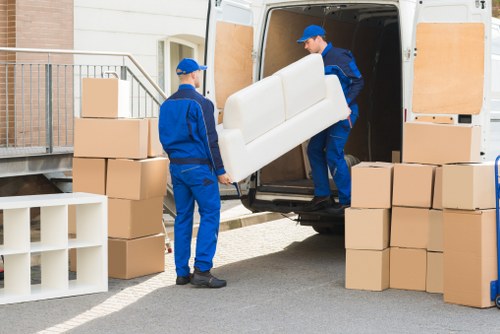 Partnerships with charities are another important part of our sustainability work. Where appropriate, we identify items that can be donated rather than discarded, helping extend the life of furniture, household goods, office equipment, and other reusable assets. This supports local and regional charities by supplying quality items for redistribution, resale, or community use. It also reduces the volume of waste needing processing, which is beneficial for both the environment and the organisations involved. Through these partnerships, West Drayton Storage recycling efforts become more than waste reduction; they become a practical way to support social value as well.
We are especially mindful of items that are often overlooked in traditional waste streams. For example, clean cardboard from deliveries can usually be baled or flattened for recycling, while mixed plastic film may need separate handling depending on its condition. Metal fixings, shelving parts, and worn equipment can often be recycled through specialist channels. We also encourage a reuse-first mindset, because extending the life of an item is usually better than replacing it. This type of circular thinking is a natural fit for storage, where goods, materials, and packaging often have a second life available.
Transport is another major area where we can make a difference. Our low-carbon vans are selected to reduce emissions on local journeys and support a more efficient service model. As fleet technology improves, we continue to look at cleaner vehicle options that help lower air pollution and fuel consumption. Whether moving recyclable materials to a local transfer station or supporting a storage clearance, using lower-emission vehicles helps make the entire process more sustainable. This is particularly relevant in and around West Drayton, where short urban routes can benefit significantly from efficient, low-carbon transport.
We also make sure our operations reflect the environmental priorities of surrounding boroughs, where the emphasis is increasingly on reducing contamination and recovering more value from everyday waste. That means staff are trained to recognise recyclable materials, maintain tidy waste segregation areas, and support responsible sorting of common storage-related items. The result is a smoother process that helps the West Drayton Storage recycling programme function consistently. By combining site-level discipline with local waste infrastructure, we can contribute to better material recovery across the wider area.
 Our sustainability commitment is not limited to one-off actions; it is embedded in planning, procurement, and day-to-day handling. We choose materials and suppliers with waste reduction in mind, and we continue looking for opportunities to improve packaging recovery and reuse. For instance, working with reusable moving materials and recycled-content supplies can lower the environmental cost of operations. These small decisions matter when applied consistently, especially in a service environment that handles many different types of goods and packaging.
We also recognise that local recycling systems work best when businesses support them properly. That is why our procedures are designed to align with accepted local recycling practices, from keeping recyclables clean and dry to ensuring non-recyclable contamination is avoided. By staying disciplined with separation and disposal, we help improve the quality of material sent onward for processing. In turn, that supports the broader environmental aims of the community and makes West Drayton storage a more responsible choice for customers who value sustainability.
 Looking ahead, West Drayton Storage will continue to raise its recycling percentage target, strengthen charity partnerships, and invest in lower-carbon logistics. Our goal is simple: make storage services more efficient while reducing environmental impact wherever possible. Through local transfer stations, smarter separation, charitable reuse, and low-carbon vans, we are building a service that supports both practical storage needs and long-term sustainability. For anyone seeking a greener West Drayton Storage solution, our approach shows that responsible operations and reliable service can go hand in hand.